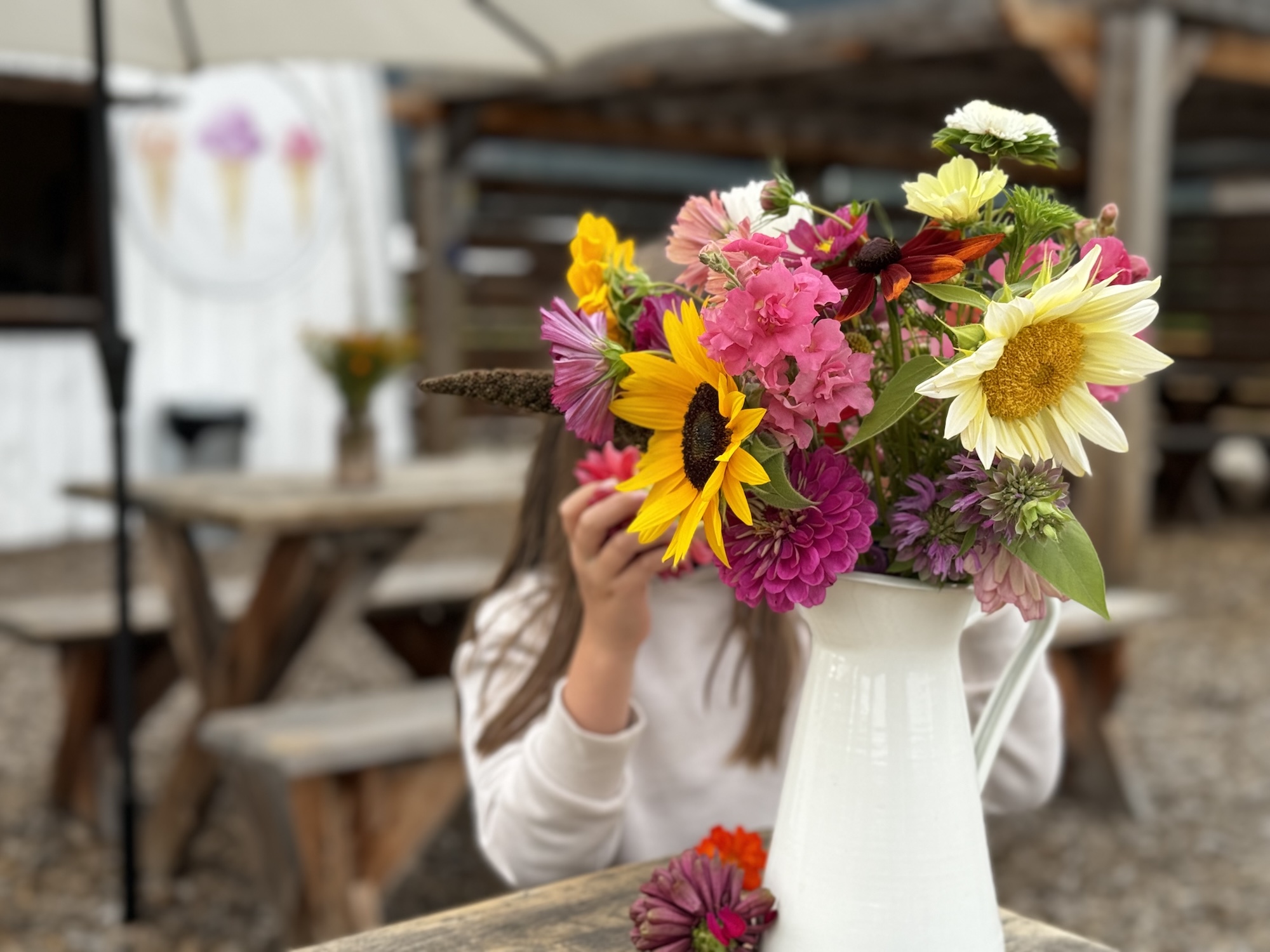
Whether you’re a beginner or an experienced gardener, May is the perfect month for planting gladiolus, roses, peonies, lilies, and more. Let us guide you through some of our favorite blooms that will bring color and life into your outdoor space. Here are some of the best flowers to plant in May.

1. Marigolds
Marigolds are perfect for planting in May, whether from seed or starter plants from the garden center. These summertime favorites bloom quickly and thrive in the heat, making them a great choice for cheerful summer color.
Choose a sunny location with well-drained soil. If planting seeds, sow them about ¼ inch deep and water gently. They germinate quickly in warm soil, often sprouting within a week. If using transplants, space them 8 to 12 inches apart depending on the variety. Water after planting and keep the soil slightly moist until they’re established.

2. Gladiolus
Gladiolus is a beautiful flower that adds vibrancy and color to any garden. Its tall, graceful stems make it an excellent choice for adding height and texture to the landscape. This perennial plant can be grown in most climates, although they prefer warmer temperatures.
Gladioli are easy to grow from bulbs or corms, available at many nurseries or online retailers. Opt for an area with abundant sunlight and soil that allows water to pass through easily when planting gladioli. Planting them in groups will give you more dramatic results than if planted individually.

3. Cosmos
Cosmos are easy to grow in May once the soil has warmed. Cosmos are usually planted from seed, although some nurseries might offer starter seedling plants. These low-maintenance flowers bloom throughout the summer with minimal care, making them ideal for pollinator gardens and wildflower borders.
Sow seeds directly into the garden about ½ inch deep and 6-12 inches apart. Choose a sunny spot, but don’t be too fussy about soil type (these plants will grow in most soils). Water lightly after planting and then reduce to watering sparingly once seedlings appear. Cosmos prefer dry conditions.

4. Dahlias
Dahlias are another staple for May planting in your flower beds. Soil is usually warm enough to plant dahlia tubers directly into the ground.
Choose a sunny spot with well-drained, fertile soil. Plant the tubers 4 to 6 inches deep, with the growing eye facing up. Space them 18 to 24 inches apart. Dahlias will bloom from mid-summer through frost. Most of the larger plant cultivars benefit from staking as they grow.

5. Roses
Roses, renowned for their beauty, can be seen gracing gardens and flower beds of all shapes and hues. They come in various colors, shapes, and sizes, making them perfect for any garden or flower bed.
Depending on your location, planting roses outdoors in spring from late March to May is best. During the growing season, roses need plenty of water and fertilizer to stay healthy and produce vibrant blooms all summer. You can also plant roses in the fall. Try not to plant them in the heat of mid-summer, but if you must, just be sure to water them very often.

6. Nasturtiums
Nasturtiums are great to plant in May for fast-growing, edible flowers and foliage. You can plant them in your flower beds or tuck them into the corners of your veggie garden. Trailing types look great spilling from containers or raised beds.
Nasturtiums prefer full sun and need only average soil. Sow seeds about 1 inch deep and 8 to 12 inches apart. The seeds have a hard coat, so soaking them in water for a few hours before planting can help speed up germination. Avoid excess fertilizer rich in nitrogen, as it can encourage growing leaves over flowers.

7. Peonies
Peonies add elegance to the landscape with their delicate petals and lush blooms. Whether you’re looking for something traditional or unique, peonies come in many varieties and colors that suit your needs.
Peonies need full sun for at least six hours per day to bloom properly. They prefer well-drained soil with a neutral pH level between 6 and 7, so be sure to check the acidity of your soil before planting. Plant your peonies with ample room between each one (at least 18 inches apart). They grow slowly, but do become almost shrub-like once estblished.
Peonies can live for 50+ years if cared for properly. It’s important not to over-fertilize them since too much fertilizer can prevent blooming altogether. Water regularly during dry spells, but avoid overwatering in damp climates or heavy soil as this could lead to root rot or other diseases.

8. Lilies
Lilies are an attractive and straightforward flower to cultivate. They come in an array of hues, sizes and forms, making them ideal for introducing contrast to your garden.
For optimal growth, select a sunny spot with some wind and rain protection for taller lily plants. Bury the bulbs about 4 inches deep in well-draining soil. In heavy clay soil, consider building up a raised mounded garden bed with compost and sand to help excess water drain away from the bulbs easily.
In terms of care for lilies, keep an eye out for signs of pests such as aphids. Regularly check the soil moisture levels and water when the soil is dry. You can also consider mulching with organic compost or fertilizing in nutrient-deficient soil.
Once established in your garden beds, lilies require very little maintenance apart from occasional deadheading (removing spent blooms). This encourages new buds to form so you get more beautiful blooms throughout the season. If desired, you can even divide up existing clumps every few years or so when overcrowding starts becoming noticeable.

9. Black-eyed Susans
Black-eyed Susans can be planted in May from either seeds or nursery starts. Choose a sunny location with well-drained soil. Sow seeds just below the surface or plant transplants about 12 to 18 inches apart. Water after planting and keep soil moist until the plants are established. These perennials may not bloom the first year from seed but will return reliably in future seasons with bright yellow flowers from mid-summer through fall.

10. Crocosmia
Crocosmia is an easy-to-grow flower that can add a vibrant pop of fiery color. While they look tropical, these hardy perennials will come back year after year in zones 5-6 or warmer.
Crocosmia bulbs should be planted directly into the ground in spring or fall. You can also pick up young plants to transplant them outdoors when the weather warms up.
The bright colors of crocosmia will attract butterflies and hummingbirds, adding even more interest to any garden. With minimal effort on your part, these beautiful flowers will keep coming back each year, providing plenty of cheerful vibes all season long.

11. Zinnia
Zinnia come in an array of diverse hues, forms, and sizes. They are perfect for adding color and texture to a garden bed or overall landscape design. They are also an excellent choice for cut flower arrangements as they have long lasting blooms.
Zinnias boast a rainbow of colors (except blue) and can reach up to 3 feet tall. Most cultivars reach heights up to 3 feet tall with large single or double flowers that bloom from summer until frost. The common zinnia prefers full sun but will tolerate some shade making it an ideal choice for hot sunny spots in your garden or landscape design.
Dwarft zinnias provide a great option for those seeking something out of the ordinary with their small daisy-like flowers on shorter stems. These make for an ideal choice when it comes to edging around garden beds or as borders along pathways; they come in a range of shades from white and pink to lavender, purple, scarlet red, yellow, gold, and bicolor.

12. Calendula
Calendula grows well when planted in May, especially in cooler climates. Sow seeds ¼ to ½ inch deep in well-drained soil with full sun to partial shade. Calendula tolerates cooler nights, so it’s a good early-season flower. Water regularly, especially during dry spells, and remove spent blooms to encourage more flowers. These cheerful yellow and orange blooms attract pollinators and are also edible, making them a useful addition to vegetable gardens.

13. Alyssum
Alyssum is a beautiful groundcover that is most commonly available in white, pink, or purple. By May, the soil is warm enough for alyssum seeds to germinate quickly, or for transplants to settle in with minimal stress.
You can sow seeds directly into well-drained soil in full sun to partial shade. Sprinkle them on the surface and lightly press them in. Alyssum seeds need light to germinate, so don’t bury them under the soil.
If you’re using baby plants from the nursery, plant them about 6 to 8 inches apart. Water well after planting and keep the soil slightly moist until they’re established. Alyssum grows fast in warm spring weather and often begins blooming just a few weeks after sowing.
In cooler zones, planting in May gives you blooms through early summer. In warmer zones, alyssum can bloom well into fall, especially if you trim it back after the first flush of flowers.

14. Sunflowers
Sunflowers are one of the easiers flowers to plant in mid-spring. They are most commonly planted from seeds (rather than potted nursery seedlings).
May is an ideal time to plant sunflowers, especially if your soil has warmed to at least 50°F (10°C) and there’s no more risk of frost. Choose a sunny spot with well-drained soil. Sunflowers grow best with full sun to grow strong stems and large blooms.
Loosen the top few inches of soil and clear away any weeds or debris to prepare the planting area. Sow sunflower seeds about ½ inch deep and space them 6 to 12 inches apart, depending on the variety. Some sunflowers stay compact at just a few feet tall, while others can grow over ten feet high. Check your seed packet for the expected mature height and spacing recommendations. It will also list the estimated number of days from planting to bloom, which helps you plan your garden timeline.
Water after planting and keep the soil nice and moist until the seedlings emerge (usually within 7 to 10 days). Once the plants are a few inches tall, thin them if needed so each has enough space to grow. Taller varieties may need staking later in the season, especially in windy areas.

15. Echinacea
Echinacea is a pollinator favorite and classic native North American plant. May is a great time to plant echinacea, also known as coneflower, especially in areas where the soil has warmed and the danger of frost has passed. May planting gives the roots time to grow strong before the heat of summer and often results in blooms by midsummer that last well into fall.
Choose a spot with full sun and well-drained soil. Echinacea can tolerate nutrient-deficient soil but does prefer soil that doesn’t stay soggy. If your soil is heavy (like clay), mix in compost or sand to improve drainage before planting.
You can plant echinacea from nursery starts or sow seeds directly, though seed-grown plants may not bloom until the second year. Space plants about 18 to 24 inches apart to give them room to grow. Water well after planting and keep the soil lightly moist while the plants get established. Once settled, echinacea is drought-tolerant and low-maintenance.

16. Lavender
Lavender is a good choice for May planting in most regions, especially once the soil has warmed and is no longer cold and soggy. Lavender loves full sun and well-drained soil. Choose a spot that gets at least 6 hours of direct sunlight each day. If your soil is heavy or clay-rich, mix in sand or gravel to improve drainage. Lavender does not like wet roots.
Plant nursery-grown lavender starts 18 to 24 inches apart to allow for air flow and mature size. Water well after planting, but let the soil dry out between waterings. Once established, lavender is drought-tolerant and thrives with minimal care. Planting in May gives your lavender starter plants time to settle in before summer heat and encourages flowering in the first season.

17. Sweet peas
Sweet peas can still be planted in May in cooler climates. In warmer areas, they are usually planted earlier, but you can start them in partial shade to help them through the summer.
Soaking the seeds overnight before planting can help with germination. Sow seeds 1 inch deep and 2 to 3 inches apart. Provide a trellis or support as sweet peas are natural climbers. Keep the soil moist and expect blooms in 60–70 days if conditions are right. Cut the flowers regularly to encourage more blooms.



Leave a Reply